
 en
en  русский
 Español
 Deutsch
Tool Bag vs Backpack: Which One Fits Your Job Better?
The tool bag beats a tool backpack for open-frame trailer work and quick trunk access, while a tool backpack wins for climbing, ladder work, and long walks to a job site because it keeps both hands free and distributes weight across the shoulders instead of one arm. The right choice comes down to how far you carry your gear and how much of that carrying happens on stairs, ladders, or uneven ground.
Electricians, HVAC techs, and IT installers tend to favor backpacks. Framers, plumbers on service trucks, and anyone working out of a van tend to favor bags. Below is a closer look at why, with specifics on weight, organization, and durability.
How the Two Formats Actually Differ
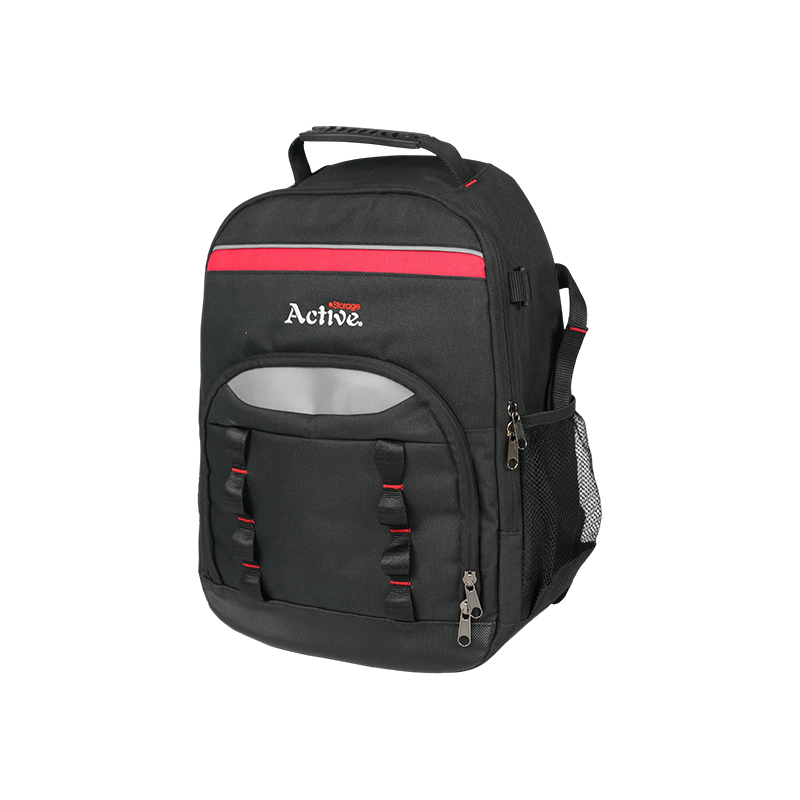
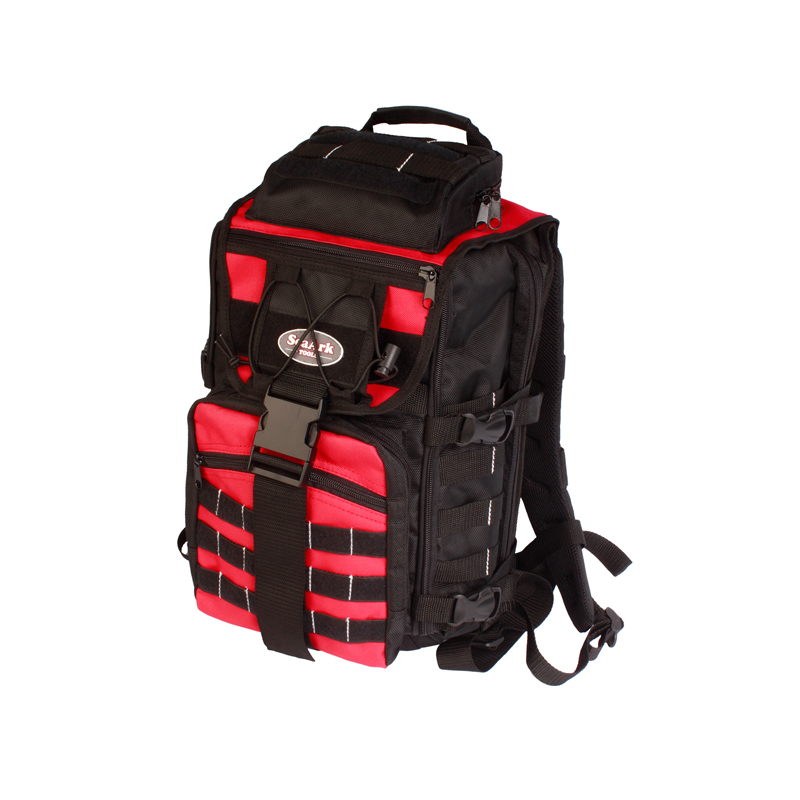
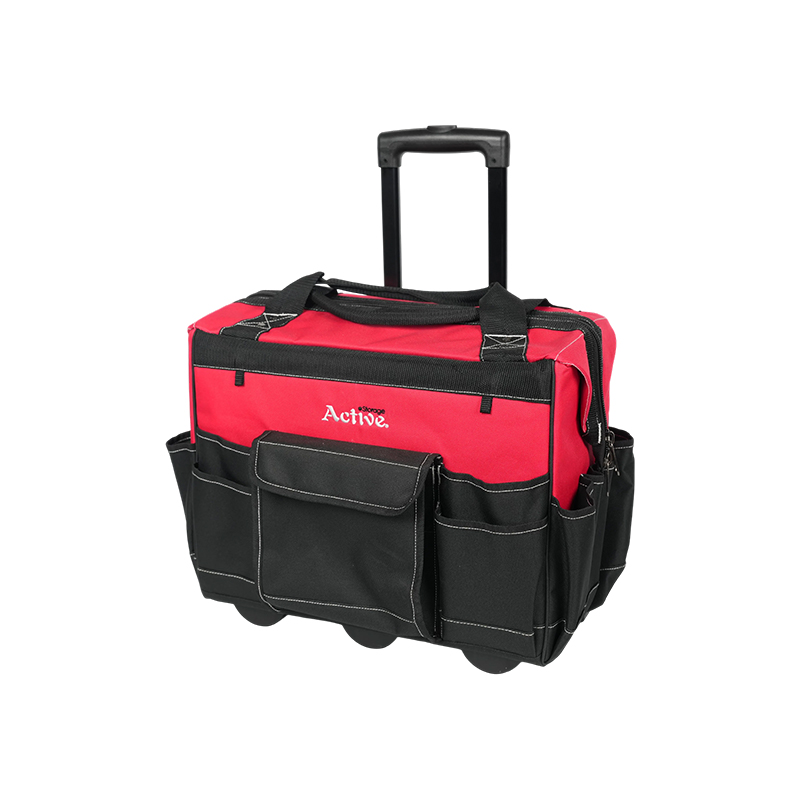
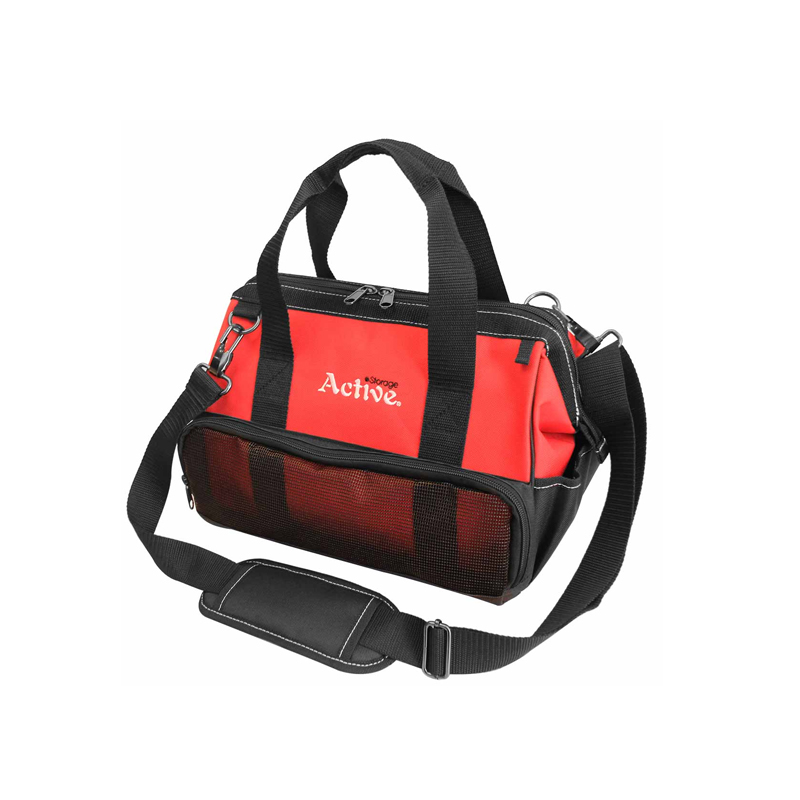
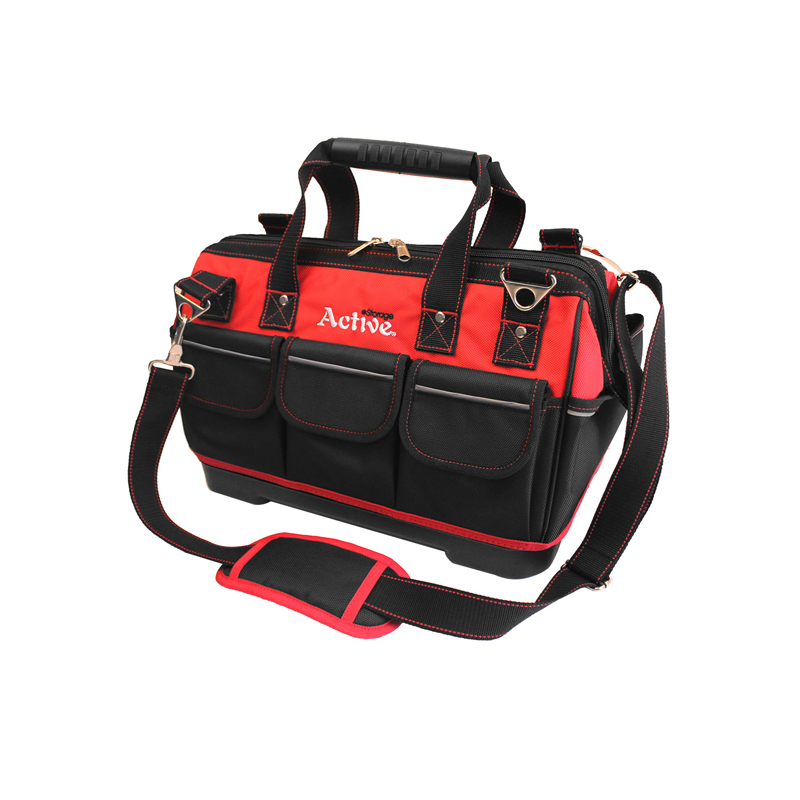
A tool bag is an open- or zip-top tote with rigid or semi-rigid sides, usually carried by a top handle or slung over one shoulder. A tool backpack is a structured pack with two shoulder straps, often a padded back panel, and sometimes a hip belt. The difference isn't just how you carry it — it changes how the tools inside are organized.
| Feature | Tool Bag | Tool Backpack |
|---|---|---|
| Carry method | Top handle, one shoulder | Two straps, hands-free |
| Typical capacity | 30–50 pockets | 20–40 pockets plus laptop sleeve |
| Access speed | Fast, wide-open top | Slower, must remove pack |
| Best load position | Truck bed, van shelf, floor | Ladders, stairs, foot travel |
Weight Distribution Changes How Your Body Handles a Full Day
A loaded electrician's bag routinely weighs 25 to 40 pounds once it's stocked with pliers, strippers, a drill, drivers, and connectors. Carried on one shoulder for hours, that load shifts posture, and it's a common source of shoulder and lower-back strain reported by tradespeople over a full week of work.
A backpack spreads that same weight across both shoulders and, with a hip belt, transfers a portion of it to the hips — closer to how hiking packs are engineered. For anyone walking more than a short distance between the truck and the work area, or climbing ladders multiple times a day, that difference adds up. It's less relevant if the tool storage never leaves the truck bed.
Organization and Access Speed on the Job
Bags generally win on raw speed. A wide-mouth tool bag lets you glance down and grab a tool without unzipping anything, which matters when you're moving between tasks every few minutes — think framing crews or service plumbers running from job to job.
Backpacks trade some of that speed for better protection and separation. Most models split storage into a few zones:
- A padded main compartment for a drill, driver, or multimeter
- A front organizer panel with elastic loops for small hand tools
- A rear or side sleeve for a laptop, tablet, or plan set
- Exterior loops or a hammer holster for frequently used items
That laptop or tablet sleeve is a real differentiator. IT technicians, low-voltage installers, and inspectors who carry a device alongside tools tend to prefer backpacks specifically because a padded electronics compartment isn't standard in most tool bags.
Durability and Material Considerations
Base and Wall Construction
Tool bags built for daily trade use typically have a rigid or reinforced base — often 18mm or 20mm plywood-backed bottoms — so the bag can be set down on concrete or gravel without collapsing or letting tools puncture through. This is standard on brands like Veto Pro Pac and Klein Tools' heavier bags.
Strap and Panel Wear
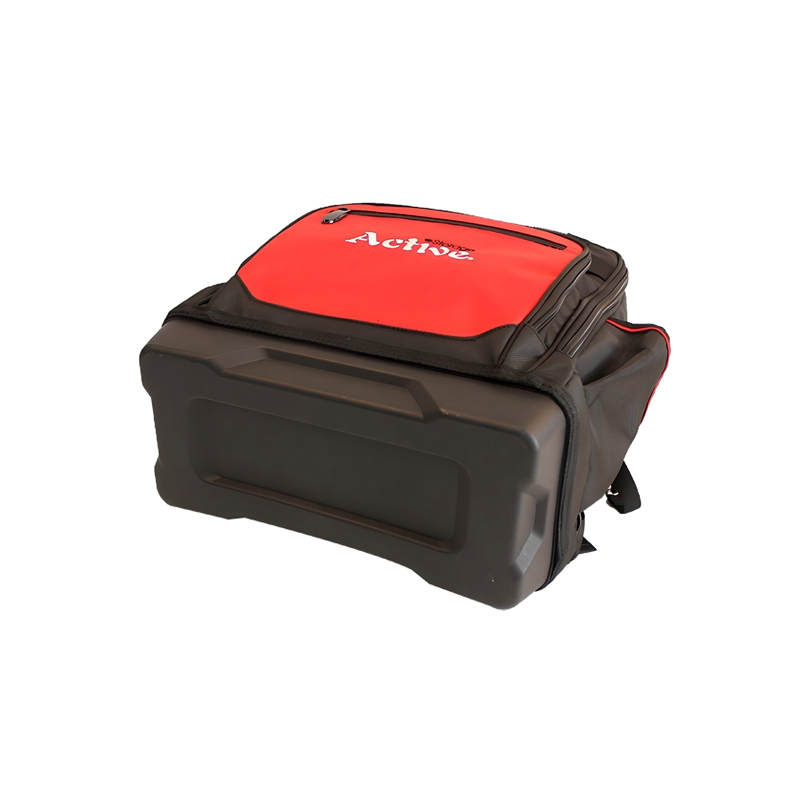
Backpacks see more wear at the strap attachment points and back panel seams, since the load moves with the wearer's body instead of sitting static. Look for bar-tacked stitching at stress points and a molded or reinforced bottom panel — some backpacks now borrow the same rigid-base construction as tool bags for exactly this reason.
Which Trades Tend to Prefer Each Format
There's no universal winner, but usage patterns cluster fairly consistently by trade.
- Electricians and low-voltage techs often carry a tool backpack for panel work, attic and crawlspace access, and ladder climbing.
- Plumbers and HVAC service techs frequently use open tool bags kept in the van, grabbed and set down at each stop.
- General contractors and site supervisors lean toward backpacks for the laptop sleeve and hands-free walking across a site.
- Framers and roofers typically prefer bags or belt-mounted pouches since backpacks can interfere with harness gear.
- IT and AV installers almost always choose backpacks, since devices and cabling testers need padded protection.
Questions to Ask Before Choosing
A few practical questions narrow the decision faster than comparing feature lists:
- Do you climb ladders or stairs multiple times per day with tools in hand?
- Do you carry a laptop, tablet, or testing device that needs padded protection?
- Is your tool storage set down once at a job site, or moved constantly through the day?
- Do you need to see and grab a tool in under two seconds, or is slightly slower access acceptable?
- Will you wear a harness or safety gear that a backpack's straps might interfere with?
If most answers point to mobility and hands-free carrying, a tool backpack is the better long-term investment. If your work centers on quick, static access from a truck or a single spot, a traditional tool bag remains the faster, simpler option.



We are a professional enterprise engaged in exporting various types of toolkits.
We firmly believe that 'quality is everything, service enhances value'.
-
+86-15298800699

-
+86-512-58670375

-
karen@kun-bag.com

-
Building 11, No. 93 Chengang Road, Zhangjiagang City, Jiangsu Province, China

Copyright © Zhangjiagang Seaark Tools Industrial Co., Ltd. All Rights Reserved.
Custom Electrician Tool Backpack Manufacturers