
 en
en  русский
 Español
 Deutsch
Trolley Tool Bag with Wheels: Buyer’s Guide to Rolling Tool Bags That Last
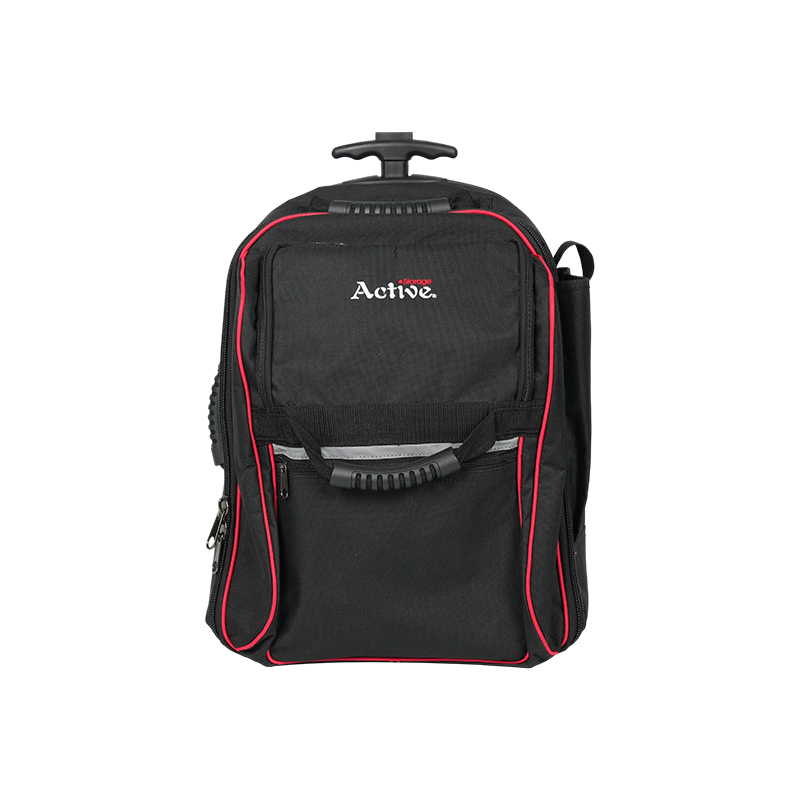
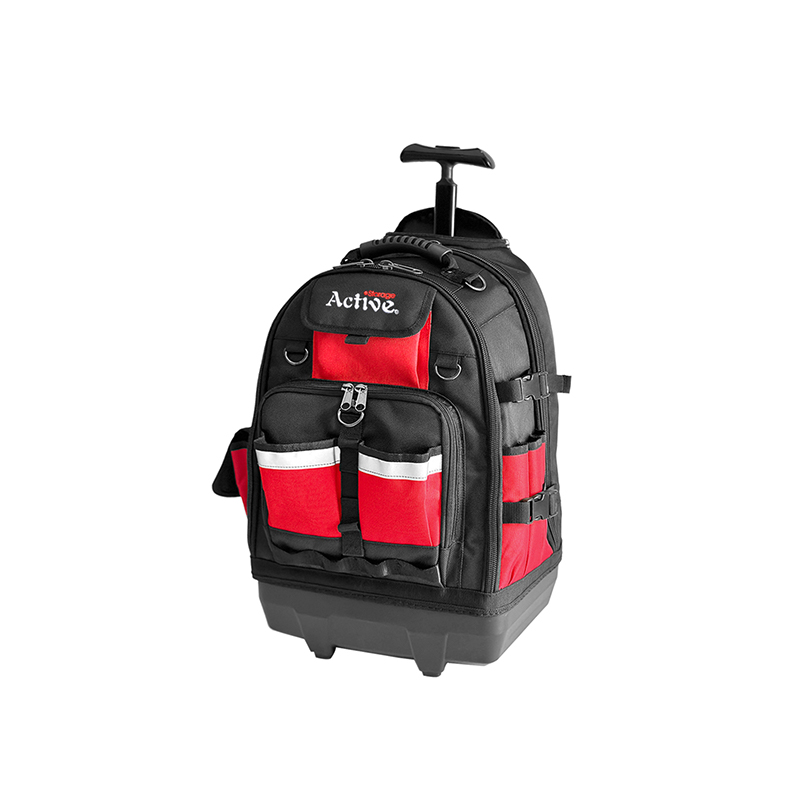
Anyone who has dragged a heavy tool backpack across a parking lot or tried to hold three stacked tool boxes while opening a door knows the appeal of a trolley tool bag with wheels. The wheeled bag replaces the awkward balancing act with a single rolling unit that can be pulled beside you like luggage. But some roll effortlessly for years, while others develop a wobble within months. The difference is rarely in the label; it is in how the wheels, base, fabric, and internal layout are designed and assembled.
As a manufacturer that works on tool carrying systems for professional trades, our starting point is always the same: decide the use environment first, then choose a wheeled platform that can survive it.
Why a Wheeled Trolley Tool Bag Earns Its Place
A trolley tool bag with wheels brings two related benefits: reduced physical strain and better tool protection. On a typical work day, moving a fully loaded tool bag from van to worksite, between floors, and around rooms can add up to a lot of carrying. When the load rides on wheels, the bag’s weight transfers to rolling hardware, which reduces the load on your shoulders and lower back.
It also lets you keep the bag upright. An upright bag prevents heavy tools from pressing down on each other and keeps the main compartment structure intact. For jobs with multiple stops or a large cordless kit, this is more than a convenience; it is a productivity tool.
Wheels and Base: Where Most Bags Fall Apart
The wheel assembly is the first part to inspect, because a failure here makes the whole bag unusable. There are three common wheel arrangements in trolley tool bags:
| Wheel type | Best for | Main trade-off |
|---|---|---|
| Single caster (360°) | Smooth floors, workshops, retail interiors | Smaller wheels can catch on gravel |
| Dual-wheel off-road | Construction sites, uneven ground, curbs | Heavier steering on smooth surfaces |
| Large fixed rear wheels | Fast towing across flat distances | Wider footprint, harder to store |
For typical indoor work—warehouses, hotels, factories, and medical facilities—a 360-degree swivel wheel is the right choice. It lets you steer around tight corners with just a light pull, and when the bag is properly balanced, you can even walk sideways through a doorway without lifting the bag. We designed our 360-degree omni-directional silent rolling bag with larger, softer tread wheels and a rigid wheel mount, so it stays quiet on polished concrete and tiles. The trade-off is that swivel wheels do not conquer gravel or deep mud as well as a rugged twin-wheel setup.
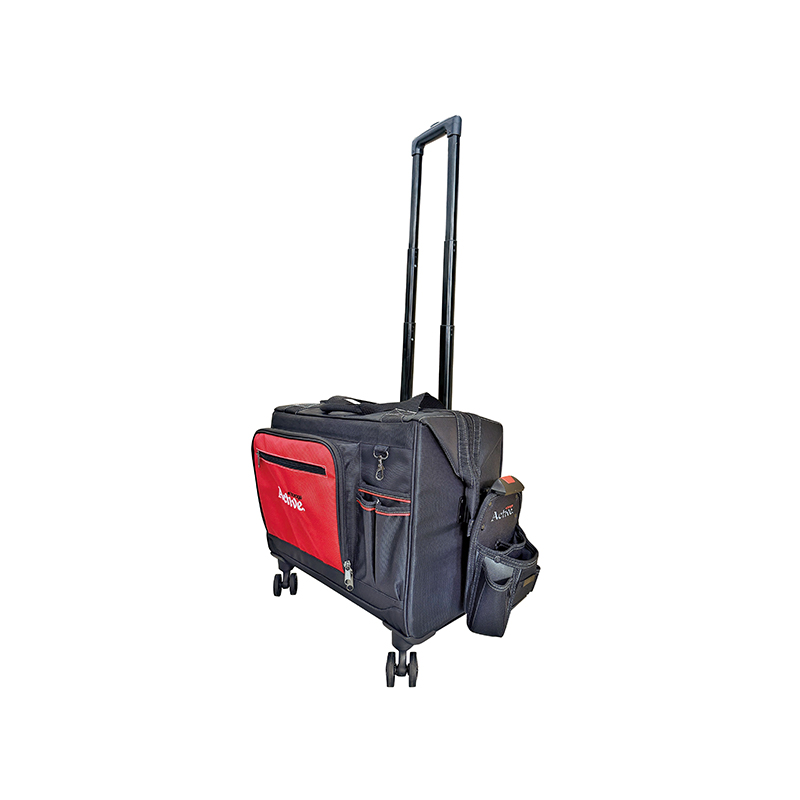 360-Degree Omni-Directional Silent Rolling Tool Bag L011This wheeled bag excels in indoor settings, offering multidirectional movement for tight spaces. With 21 pockets, a tape clip, and a 55 lbs load capacity, it suits woodworkers and inspectors seeking quiet, agile tool transport on smooth floors.View Product →
On construction sites and uneven ground, a dual-wheel layout earns its keep. A dual-wheel design uses two narrower wheels on each side, which gives more grip and spreads the load. That reduces the risk of a single caster jamming between loose stones or sinking into soft soil. Our dual-wheel off-road traction bag is built for that scenario, with reinforced wheel guards and a lower stance for stability. If your route includes dirt access roads or unfinished floors, this type of wheel system will almost always be more reliable than a conventional trolley caster.
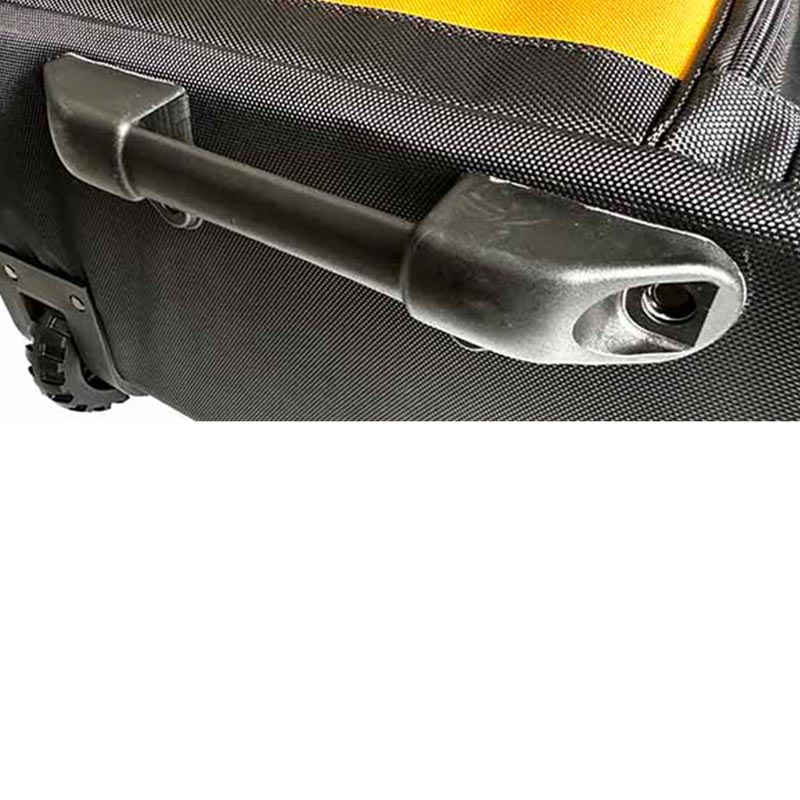 Dual-Wheel Off-Road Heavy-Duty Traction Tool BagDesigned for rough terrain, this bag features two large wheels and reinforced guards for stability on gravel or soil. It offers 26 pockets and a 55 lbs rating, making it reliable for gardeners and outdoor contractors navigating unfinished grounds.View Product →
The telescopic handle is part of the wheel system. It should lock solidly at multiple heights, and the handle tubes should be either aluminum or stiff steel. A loose handle can make a loaded bag dart sideways, especially with swivel wheels. Check the handle at full extension; if it flexes noticeably, the bag will be tiring to pull.
Fabric, Base, and Frame: The Quiet Durability Factors
The body of the bag has a different job than the wheels. It has to hold the shape of the load while taking abrasion on stairs, truck beds, and door edges. In our production line, we start with dense 600D polyester or a comparable heavy fabric. For wet work sites, a water-resistant coating or an added rubber/PVC bottom layer protects the main seam from standing water.
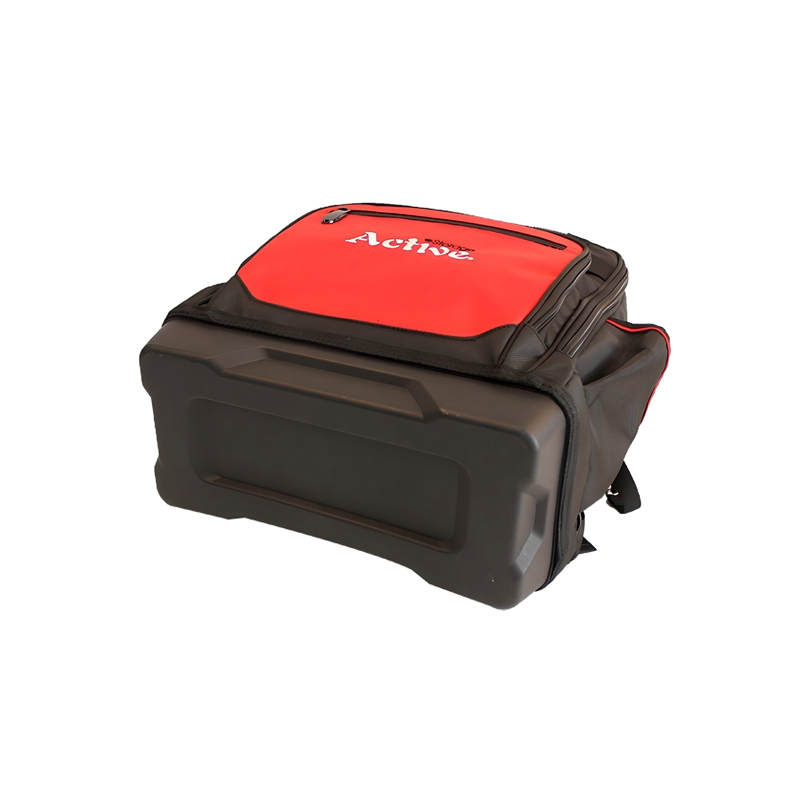
A hardboard or polypropylene base inside the bag keeps the bottom flat, stops sharp tools from poking through, and prevents the weight from collapsing onto the wheel housing. Also check the stitching around all stress points, especially where the handle attaches and where the zipper meets the gusset. Double stitching is the minimum; bartacking or zigzag reinforcement is better.
Capacity and Layout: What Goes Inside Matters
Storage layout is what turns a wheeled crate into a working tool bag. A trolley tool bag with wheels should be broad enough to open fully, so you can see the contents from the top rather than digging from a narrow opening. Look for a main compartment that can hold drills, hammers, and small power tools upright, plus a base layer for heavier items.
Then look at secondary storage. Internal elastic loops, zippered mesh pockets, and sewn partitions keep bits, screws, and test equipment in their places. Some designs add a removable shoulder strap or a side tote for smaller tools. For electricians, a multi-piece kit makes sense because cable tools, meter gear, and installation hardware have different shapes. One that we offer is a 3-piece professional electrician-grade rolling set: the main wheeled bag carries the bulk, while the smaller units can be lifted separately and used at the work point. This approach avoids unloading a full rolling bag just to reach a single tool.
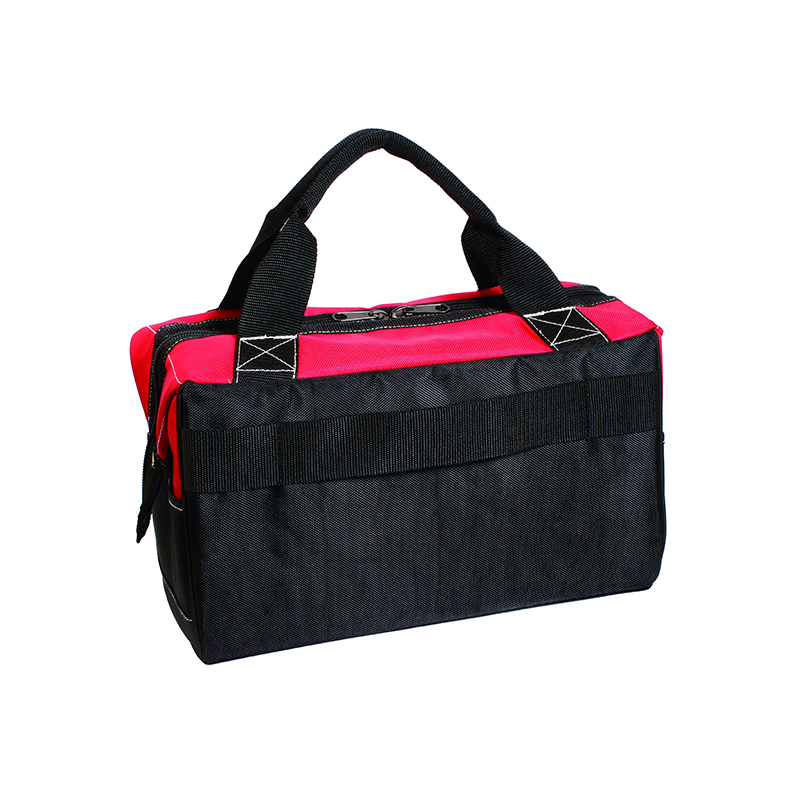 3-Piece Professional Electrician-Grade Roller Tool Bag L010A modular rolling set with an 18-inch wheeled bag and two totes, offering tiered storage and up to 154 lbs capacity. The water-resistant 1680D polyester and telescoping handle make it ideal for electricians needing heavy loads and flexible carrying.View Product →
Sourcing Checklist for Businesses and Distributors
When contractors or importers select a trolley tool bag with wheels, they often ask about capacity in liters or pounds. We recommend also asking about tested load, not nominal volume. A bag that measures 80 liters can still fail if the handle and wheels are rated for only 20 kg. Ask the supplier to confirm the load at which the bag can still be rolled up a ramp without distortion.
And because you will likely compare quotes from different factories, inspect the hardware details before you commit. Here is a short checklist we use during sample review:
- Wheel axles: steel or reinforced plastic, not thin rivets; the bag should roll straight on a tile floor.
- Handle locking: the telescopic handle should lock without side play at every position.
- Base stiffness: when loaded, the bottom should not flex enough to rub against the wheels.
- Zipper strength: use a heavy-duty zipper with large teeth; test it under load, not just empty.
- Stitching: examine bartacks at the handle base, corners, and lower edge.
These criteria apply whether you are buying for a service fleet, for a hardware store, or as an OEM/private label product. The same checks help you avoid returns and warranty issues after the product reaches the user. To see how wheeled trolley tool bags are evolving for industrial and professional use, read our industry note on wheeled trolley tool bags.
At the end of the day, a trolley tool bag with wheels needs to do two things well: roll smoothly under a heavy load and keep the contents organized. If you have both, the bag quietly improves every job site visit. If you neglect the wheel base and treat it as an accessory, no number of pockets will save the bag. Put the rolling hardware first, then choose the layout based on your trade. Done that way, the wheeled trolley tool bag is one of the most practical investments you can make for a professional tool kit.



We are a professional enterprise engaged in exporting various types of toolkits.
We firmly believe that 'quality is everything, service enhances value'.
-
+86-15298800699

-
+86-512-58670375

-
karen@kun-bag.com

-
Building 11, No. 93 Chengang Road, Zhangjiagang City, Jiangsu Province, China

Copyright © Zhangjiagang Seaark Tools Industrial Co., Ltd. All Rights Reserved.
Custom Electrician Tool Backpack Manufacturers