
 en
 русский
 Español
 Deutsch

Electrician Tool Vest Manufacturing Process: Materials, Stitching & QC
A veteran electrician on a commercial fit-out reaches overhead to anchor cable tray. His tool vest follows his torso, holds a full set of screwdrivers against his chest, and stays put when he bends over a junction box. That performance is not accidental. It is manufactured into the product through material choices, precise cutting, disciplined stitching, and load testing.
This article walks through the electrician tool vest manufacturing process step by step, so buyers and distributors know which questions to ask before placing an order.
01What an Electrician Tool Vest Must Withstand
Unlike a tool bag that sits on a floor, a tool vest carries its load on the worker's body. That difference changes almost every manufacturing parameter. The vest must hold 4 to 15 kg of tools, flex with the torso while reaching and bending, and keep weight balanced across both shoulders. It must also survive contact with conduit edges, sparks, and occasional rain.
Most failures in low-cost vests follow a predictable path: the shoulder webbing tears first, the bottom seams of loaded pockets split next, then zipper sliders give out. Production that anticipates these failure points extends service life by years.
02Material Selection: The First Quality Gate
Every vest starts as a fabric roll. The most common main-panel choice is 600D polyester, a dependable balance of weight, tear strength, and cost. High-wear zones move up to 1680D nylon, while a water-repellent coating on the reverse side sheds light rain without trapping heat.
Less visible but equally important is the thread: bonded nylon #69 or #92 resists abrasion and UV, where standard polyether thread loses seam integrity much earlier. Zippers, sliders, and webbing are the fast-wear components of any vest, and specifying them correctly the first time costs less than fixing a late failure.
| Material | Function in the Vest | Why It Matters |
|---|---|---|
| 600D polyester | Main shell panels | Balanced strength and weight |
| 1680D nylon | Shoulder and base patches | Higher abrasion resistance |
| 2-inch nylon webbing | Shoulder straps, load lines | Primary load-bearing path |
| Bonded nylon thread | Critical seam stitching | Resists abrasion and UV |
| Industrial zippers | Pocket closures | Survives repeated open-close cycles |
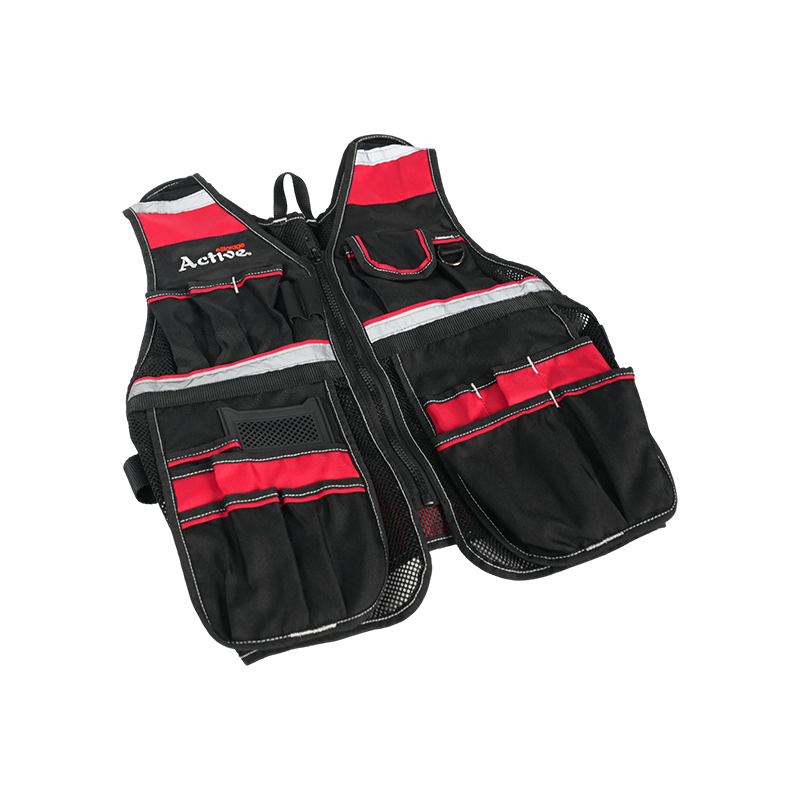 Multifunctional Professional High-Load Electrician Construction VestHeavy-duty polyester vest with 14 pockets for tools and fasteners, breathable mesh for comfort, and reflective strips for visibility, ideal for electricians needing organized storage.View Product →
03Pattern Engineering and Cutting
The pattern is where ergonomics enters the process. A tool vest is not a flat bag with straps attached; its panels follow the shoulders, ribcage, and waist, and the pocket layout keeps weight from concentrating on one side. Patterns are graded for multiple chest sizes before cutting begins.
Automated die-cutting or CNC knife equipment holds panel dimensions to within 5 mm, and every cut piece carries a production lot number so a later issue can be traced back to a specific fabric batch and production shift.
04Sewing, Reinforcement, and Assembly
Assembly starts by pre-stitching individual components: front panels, back support, pocket facings, and webbing straps. Each pocket is built as its own unit with a reinforced bottom seam, then attached to the vest body. This two-stage method lets inspectors check every seam before it becomes difficult to reach.
Critical stress points receive specific treatment:
- Shoulder-loop intersections get double-needle stitching plus a box-stitch pattern.
- Pocket bottom edges receive a bar-tack, a dense zigzag reinforcement of roughly 30 stitches.
- Zipper end stops are sealed with a double back-stitch so sliders cannot run off the track.
- The lower edge receives binding tape that prevents fraying against tool belts and harnesses.
05Pocket and Modular Load Design
Professional electrician vests carry anywhere from eight to more than twenty pockets, each with a purpose: pencil slots for markers and wire strippers, zippered compartments for meters, open holders for pliers, and low-profile sheaths for knives. Symmetry matters for safety; an electrician climbing a ladder with pliers on one side and nothing on the other fights that imbalance all day.
Modular construction takes this further by using webbing rails and attachment loops instead of sewing every pocket permanently into the shell. Workers can move pouches to match the task, and the same vest serves a residential electrician one week and an industrial maintenance crew the next.
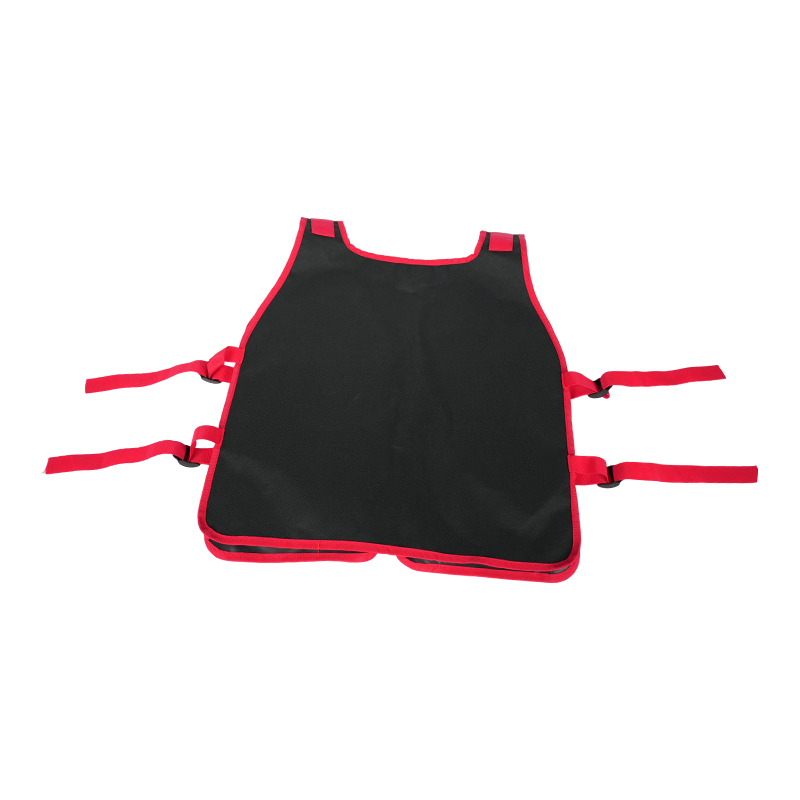 Lightweight Modular Adjustable Safety Work VestLightweight polyester vest with seven compact pockets and adjustable straps for a precise fit, reducing strain in confined spaces; flexible option for plumbers and carpenters.View Product →
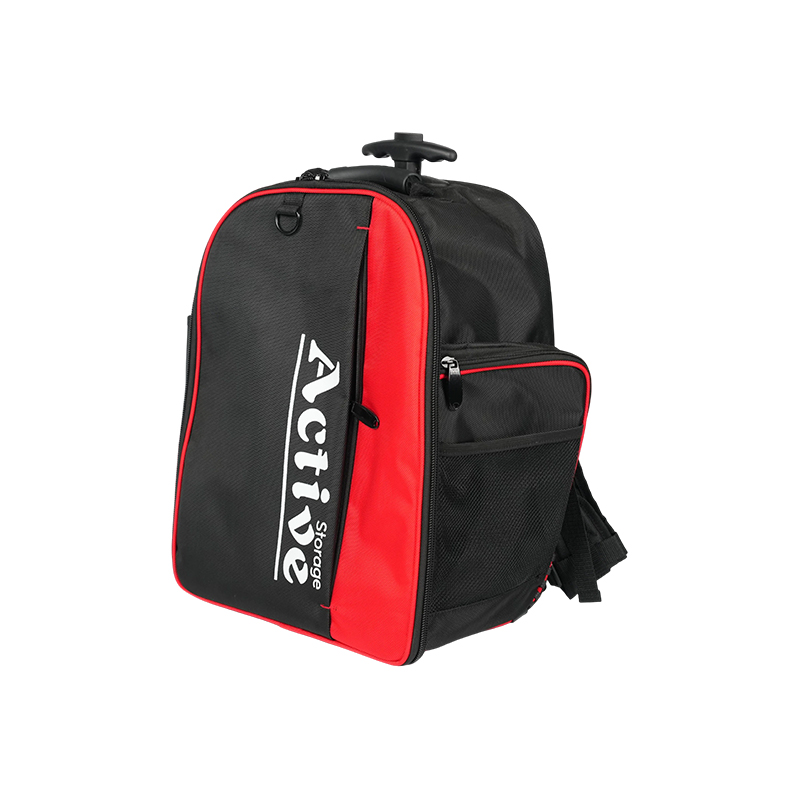
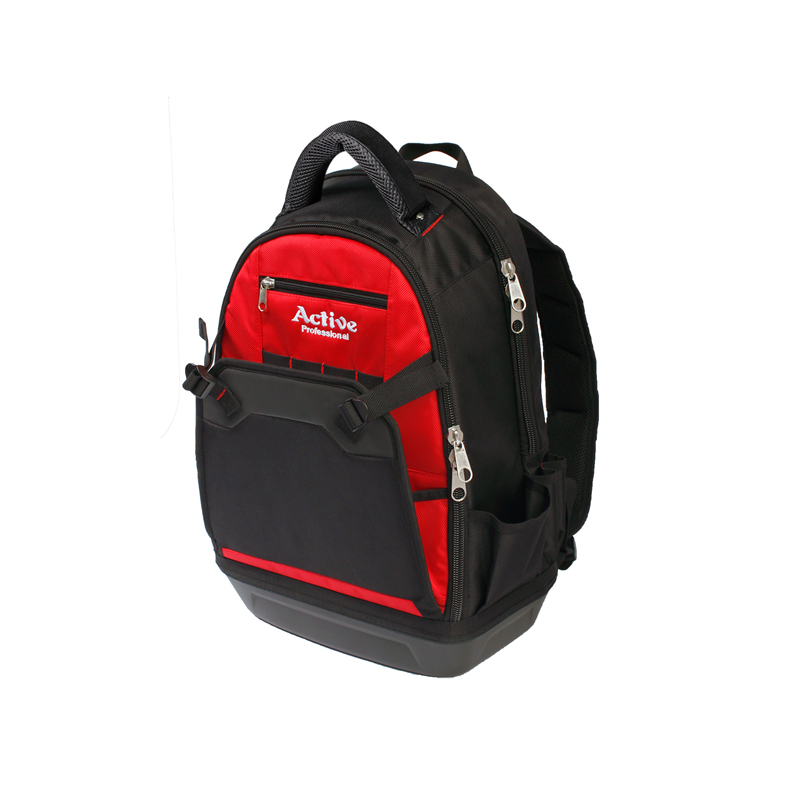
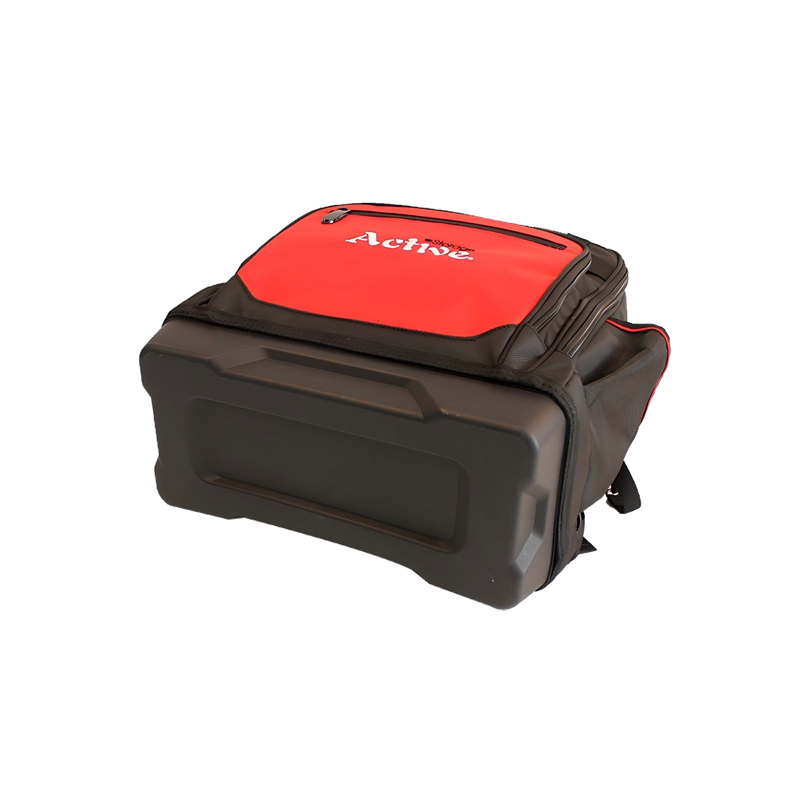
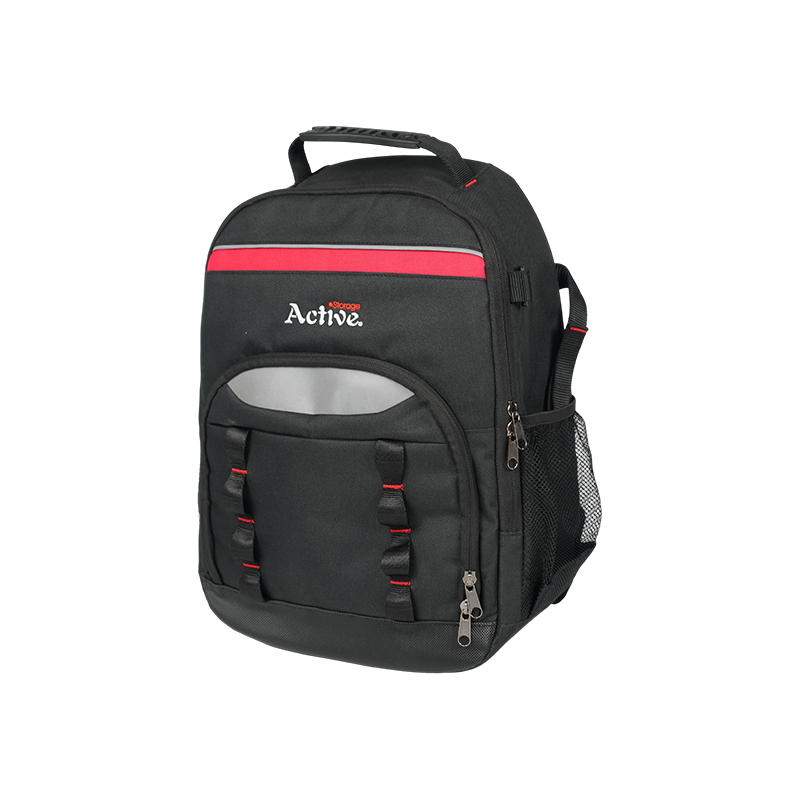
For jobs that demand more volume than any vest can carry, the right answer is often a tool backpack or wheeled bag instead; the trade-offs between those two carrying styles help buyers decide which format fits the crew.
06Quality Control and Testing
Professional buyers should look for layered quality gates rather than a single final check: incoming fabric inspection, first-piece inspection after cutting, in-process checks while sewing, and a functional test before packing.
The two most important tests for a tool vest are a static load test, where the finished vest holds 15 to 20 kg of tools to confirm seams and webbing do not creep, and a zipper-cycle test, where each zipper opens and closes hundreds of times to verify the slider and tape survive real use.
| Stage | Checkpoint | Typical Standard |
|---|---|---|
| Incoming fabric | GSM, tear strength, color | Datasheet plus visual approval |
| After cutting | Panel dimensions, notches | ±5 mm tolerance |
| In-process sewing | Stitch density, alignment | 4–5 stitches per cm |
| Final inspection | Zippers, webbing, load test | 15–20 kg static load |
Suppliers that export regularly to Europe and North America can usually present valid third-party audit reports such as BSCI, SEDEX, FCCA, or SCS during sourcing conversations. These audits cover working conditions and production consistency, and they are worth requesting early.
07Customization, Branding, and OEM Collaboration
Most buyers of professional tool vests are not purchasing a stock garment. They want logo embroidery, a custom pocket layout, or a different webbing color for corporate identity. A factory with its own production line and an in-house design team can absorb those changes with predictable lead times.
Two questions define supplier capability. Can it show a production timeline from pattern adjustment to final inspection? And does it have experience with co-developed design patents? When a factory offers to share or jointly develop designs, customization is a core service rather than a favor. Delivery reliability matters equally: manufacturers with more than one production site, such as a domestic plant plus a satellite facility in Southeast Asia, can shift volume between locations during peak seasons.
Typical customization options include:
- Logo embroidery on the front panel or left sleeve.
- Custom webbing colors and buckle finishes.
- Relocated or resized pockets for trade-specific tools.
- Extra hanging loops for hardware that changes seasonally.
For a broader reference on the configurations available, from lightweight adjustable models to heavy-duty multi-compartment versions, the electrician tool vest category on this site shows the production range.
08The Bottom Line
An electrician tool vest does not become job-site ready by accident. Fabric is chosen against a known load profile, the pattern follows the body, stitching is reinforced where stress concentrates, and the finished garment is tested before packing. For a buyer, understanding this manufacturing process is the shortest route to avoiding a vest that sags, tears, or never fits properly. Ask the right questions at the material, sewing, and testing stages, and the vest will handle the rest.



We are a professional enterprise engaged in exporting various types of toolkits.
We firmly believe that 'quality is everything, service enhances value'.
-
+86-15298800699

-
+86-512-58670375

-
karen@kun-bag.com

-
Building 11, No. 93 Chengang Road, Zhangjiagang City, Jiangsu Province, China

Copyright © Zhangjiagang Seaark Tools Industrial Co., Ltd. All Rights Reserved.
Custom Electrician Tool Backpack Manufacturers